Why We Love This Coffee
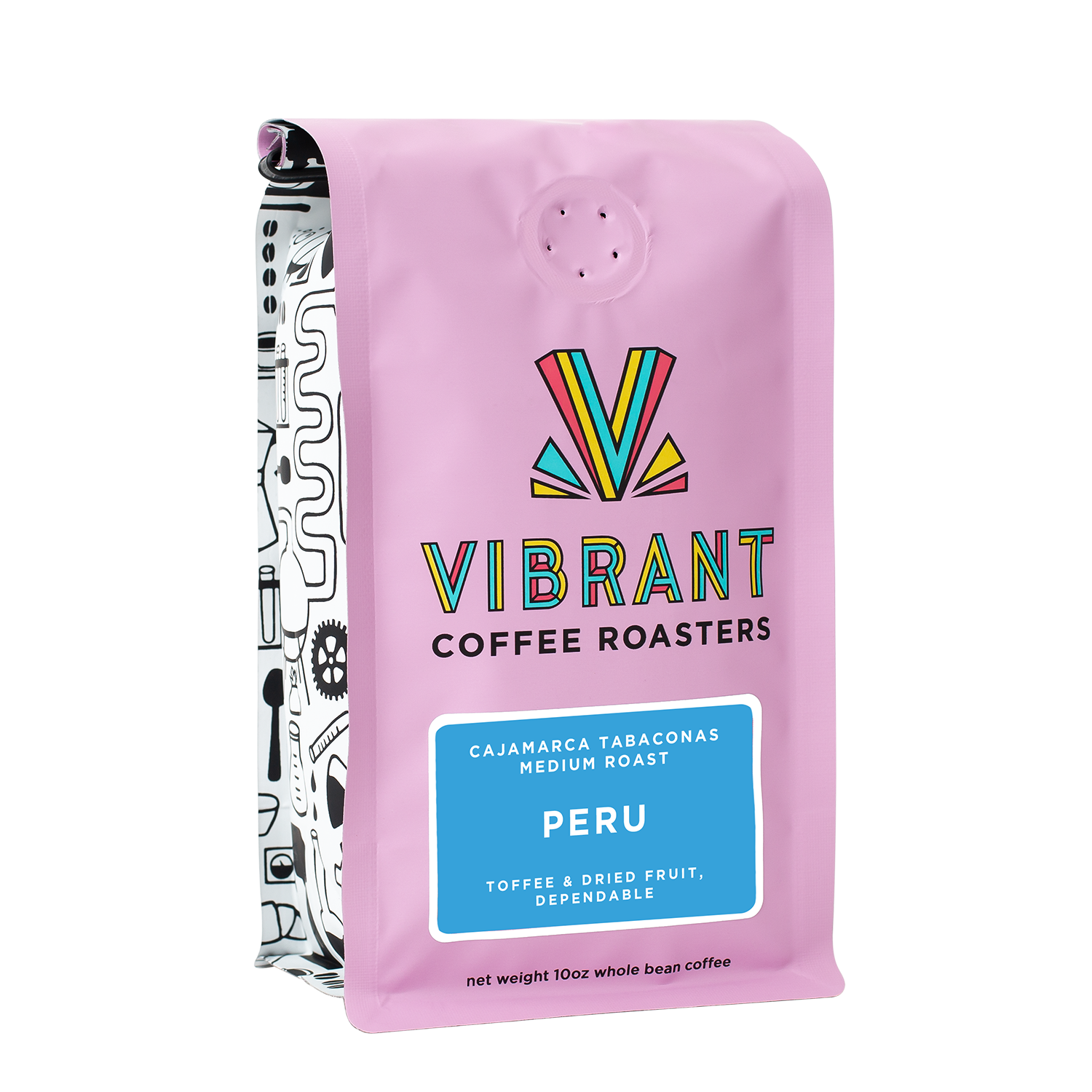
If you’re not a fan of the bitterness of darker roasts, but also don’t want a particularly fruit-forward flavor profile, Cajamarca Tabaconas may be just what you’re looking for! It’s packed with sugar-browning flavor notes including toffee, nougat, butterscotch, and dried fruit.
From Our Importer
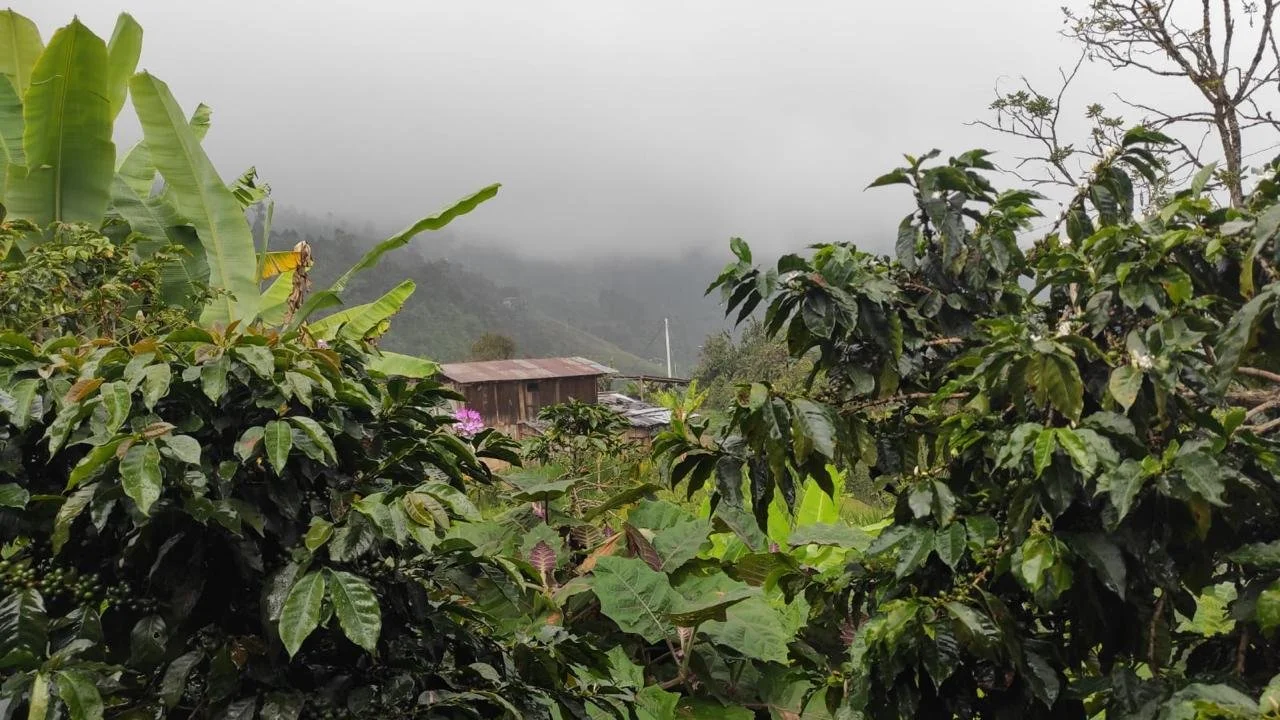
The district of Tabaconas is a key coffee-producing region within the province of San Ignacio, situated in the Cajamarca department of Northern Peru.
Like many neighboring districts, Tabaconas was shaped by a significant historical migration. Most current producers are descendants of families who arrived from the high-altitude regions of Cajamarca and Piura. These ancestors left behind the cold, infertile reaches of the upper Andes, where agriculture was limited to hardy staples like potatoes, in search of more hospitable and productive land. In Tabaconas, they discovered a temperate, lush environment with diverse ecosystems that allowed for a much broader range of agricultural possibilities.
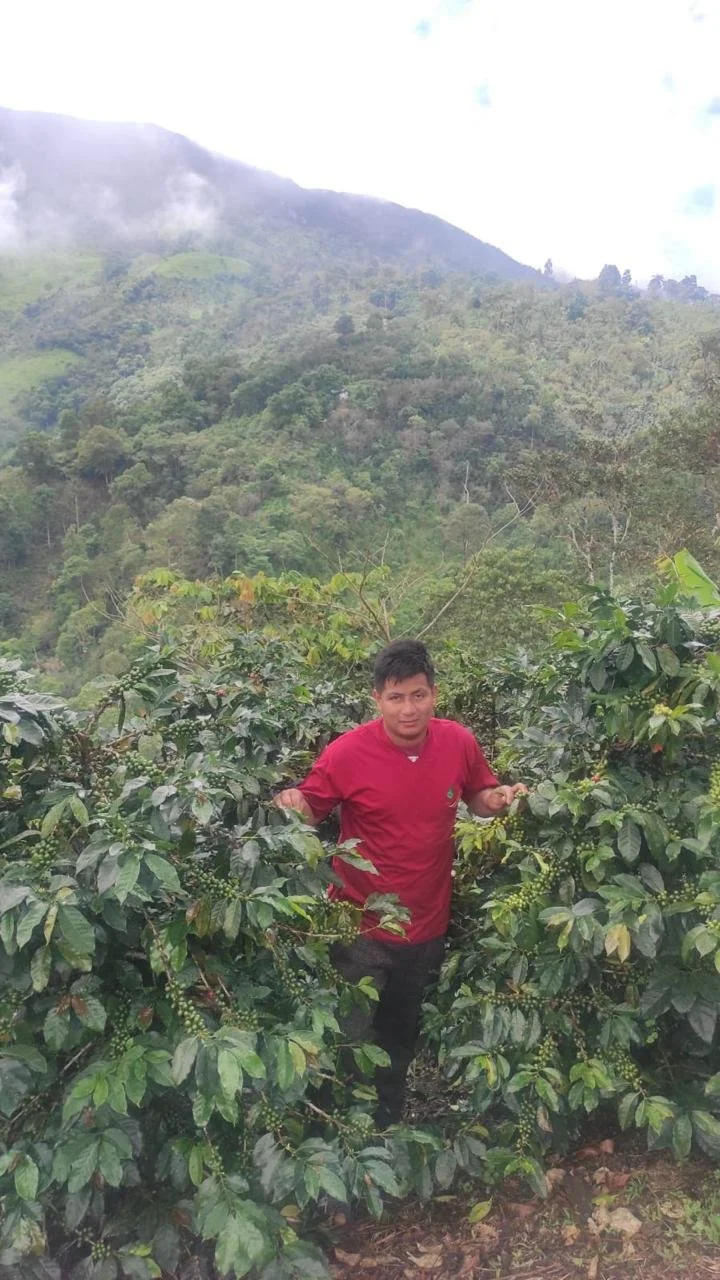
Today, local families cultivate Caturra, Catimor, and Typica varieties. These coffee trees thrive under a protective canopy of shade trees, including Albizia and the native leguminous ice-cream bean tree, which naturally enriches the soil with nitrogen. Logistics in Tabaconas are particularly demanding; many producers lack direct access to main roads and must carry heavy bags of parchment coffee on foot for several hours to reach the nearest dirt track for collection.
To navigate these geographical and labor-intensive challenges, the community relies on two ancient Inca social traditions that have endured for centuries. They practice Ayni, a system of mutual aid where neighbors and family members share labor during the peak of the harvest, and Minga, which involves communal work sessions to repair and maintain the few rugged dirt roads that serve the area.
Despite the physical toll of farming in such a remote landscape, the producers of Tabaconas maintain a profound dedication to their environment. They operate in careful balance with the critical ecosystem that sustains their livelihood and local wildlife. This deep-seated care and the unique microclimates of the region are ultimately reflected in the complexity and quality of the final cup.
Photos courtesy of Red Fox Coffee Merchants