
Ethiopia Harsu Haro Natural Lot #3

from $11.70

Limited Roast - Light

ETHIOPIA

Coffees from the high elevation Uraga, Guji area never disappoint, and Harsu Haro is no exception. The rich red soil, the elevation, the genetic diversity, and the organic growing and processing all contribute to the excellence. This particular lot has all the big fruit notes that you’d expect from an Ethiopia natural plus a creamy vanilla aftertaste. Enjoy!

PROCESSING STATION:

Harsu
ORIGIN:
Uraga, Guji, Oromia
VARIETY:
Ethiopian Landraces
ELEVATION:
2,050 masl
PROCESS:
Natural/Sun-dried
HARVEST:
Nov 2024 - Feb 2025
TASTING:
Ripe raspberry & vanilla, sumptuous

Limited Roast - Light

ETHIOPIA

Coffees from the high elevation Uraga, Guji area never disappoint, and Harsu Haro is no exception. The rich red soil, the elevation, the genetic diversity, and the organic growing and processing all contribute to the excellence. This particular lot has all the big fruit notes that you’d expect from an Ethiopia natural plus a creamy vanilla aftertaste. Enjoy!

PROCESSING STATION:

Harsu
ORIGIN:
Uraga, Guji, Oromia
VARIETY:
Ethiopian Landraces
ELEVATION:
2,050 masl
PROCESS:
Natural/Sun-dried
HARVEST:
Nov 2024 - Feb 2025
TASTING:
Ripe raspberry & vanilla, sumptuous

Size:

Why We Love This Coffee

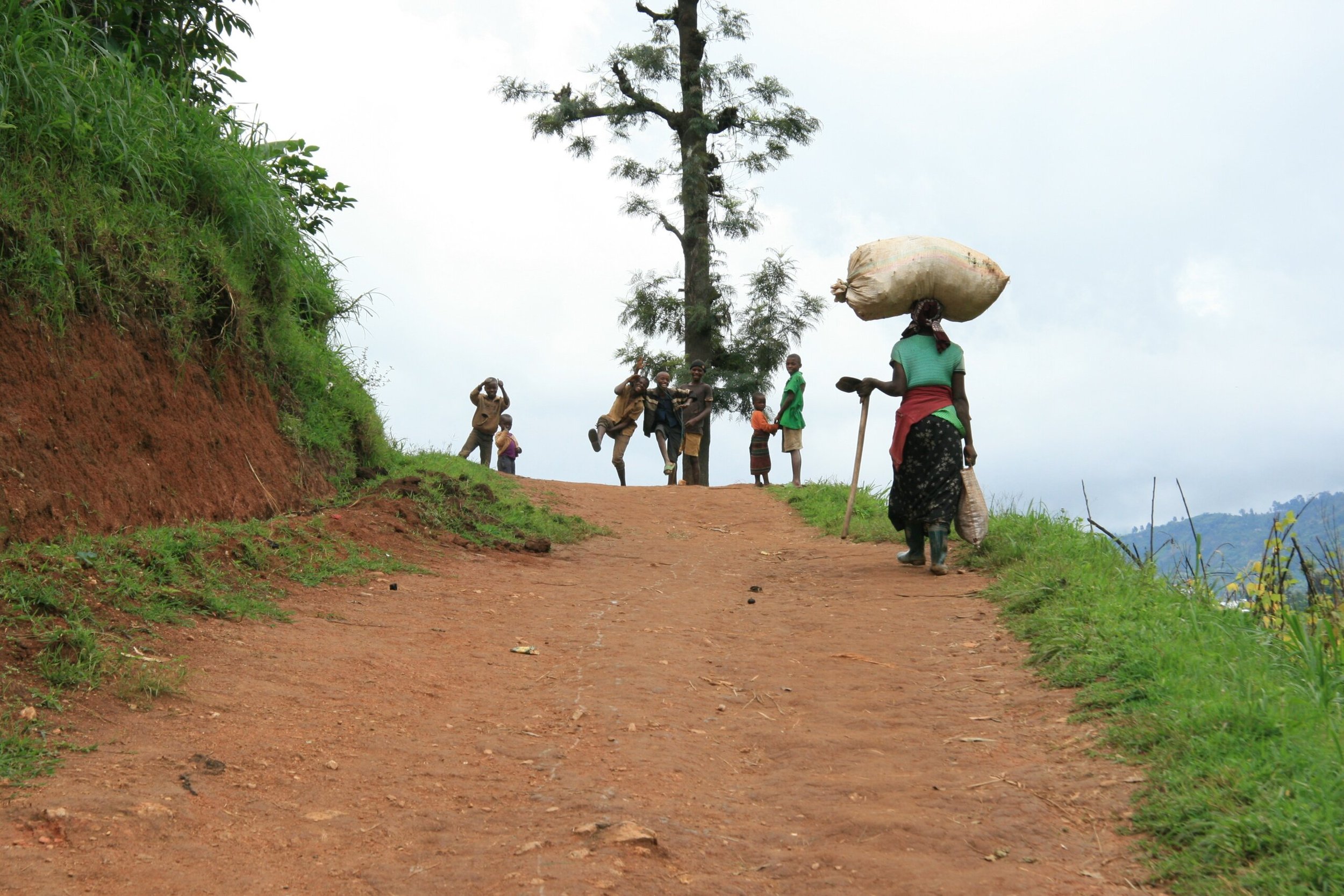
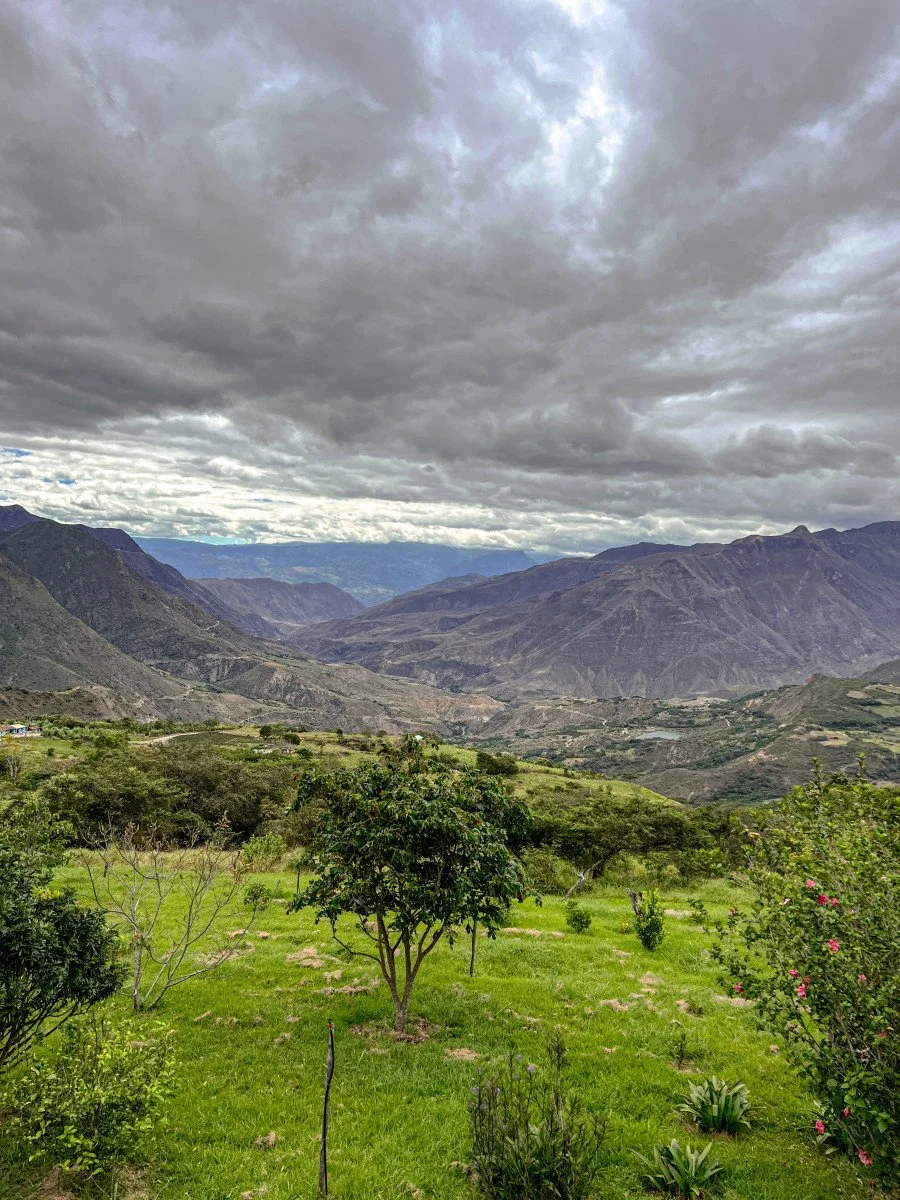
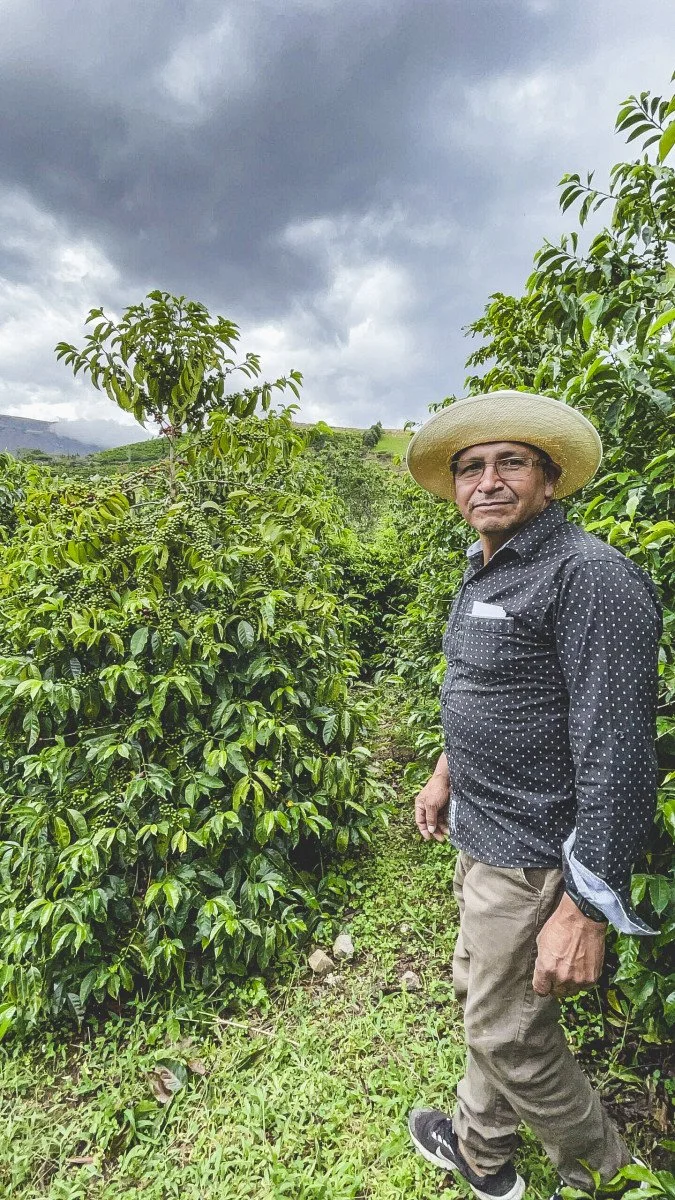
The Haro Harsu Natural is produced at the Harsu washing station in Uraga, Guji, which falls under the Oromia Region of Ethiopia. This area is oftentimes mistakenly known as Sidamo Guji, but instead should be known only as Guji or West-Guji on its own. We’ve featured both washed and natural coffees from this area for years and they continue to impress us. The cherry comes from many small-holder farmers in the area.

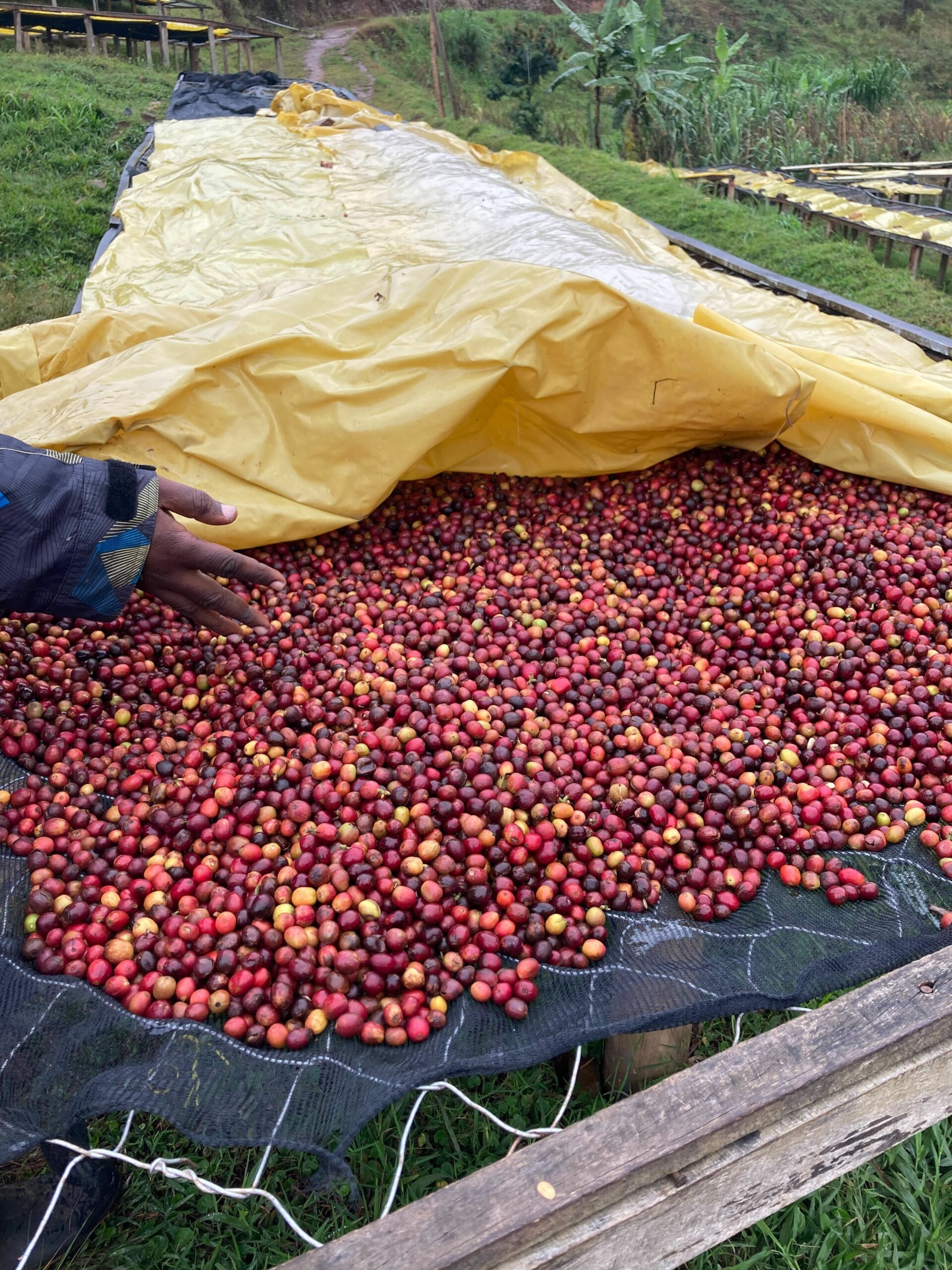
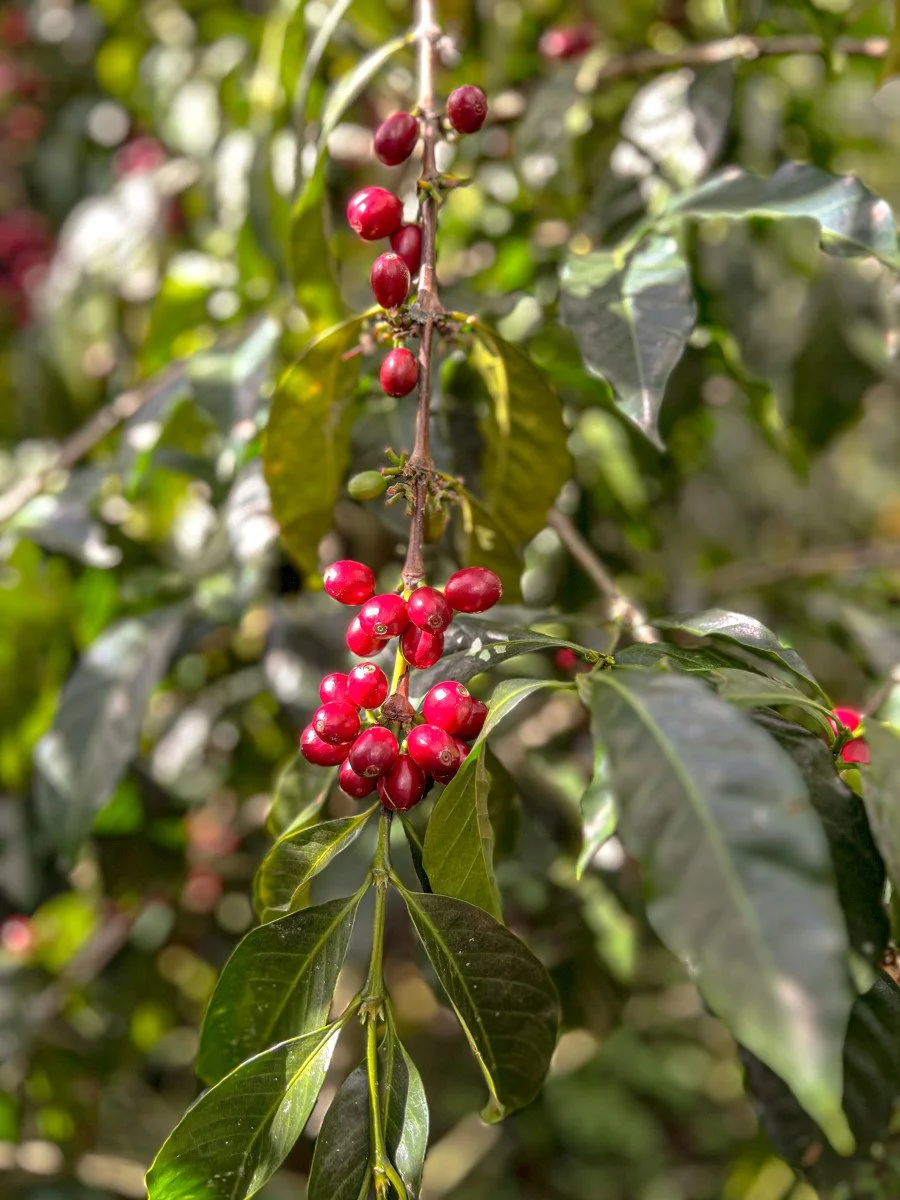
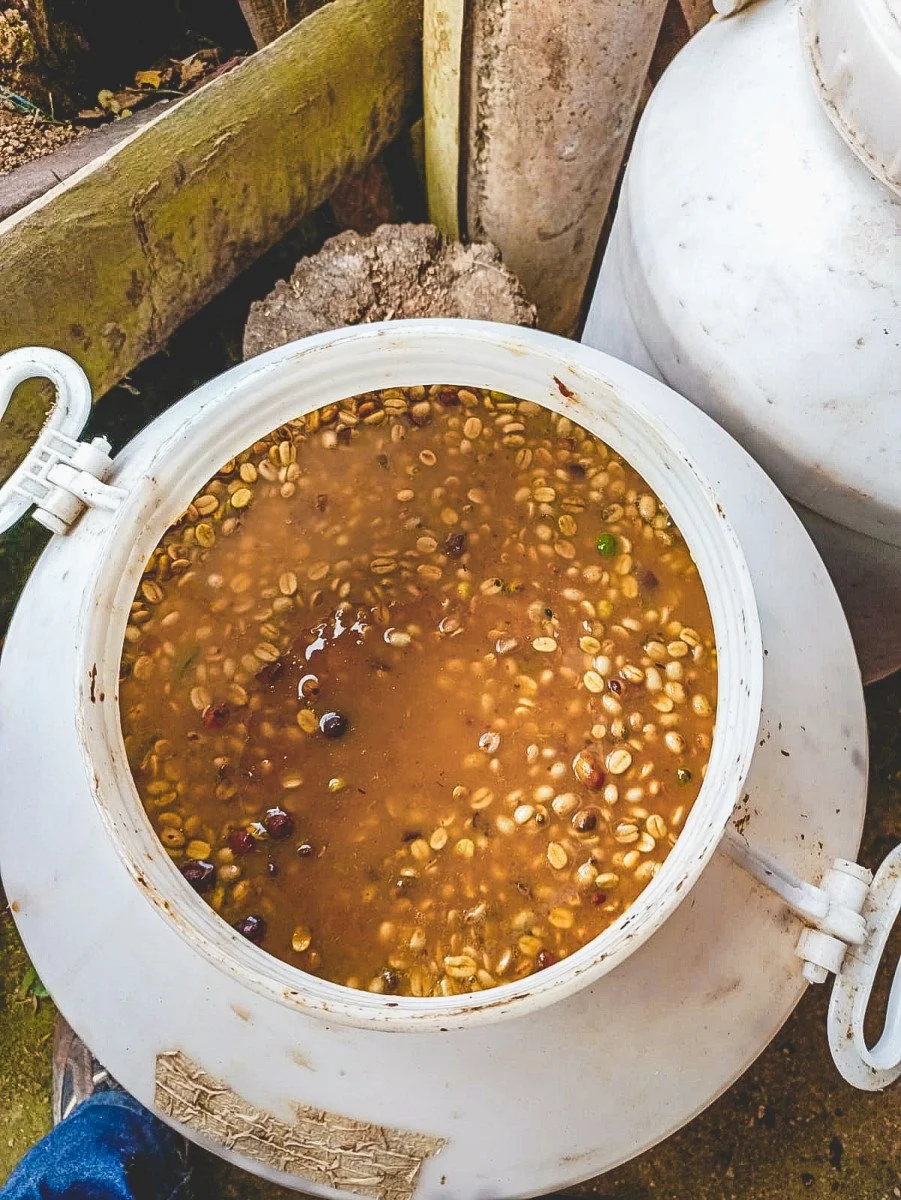
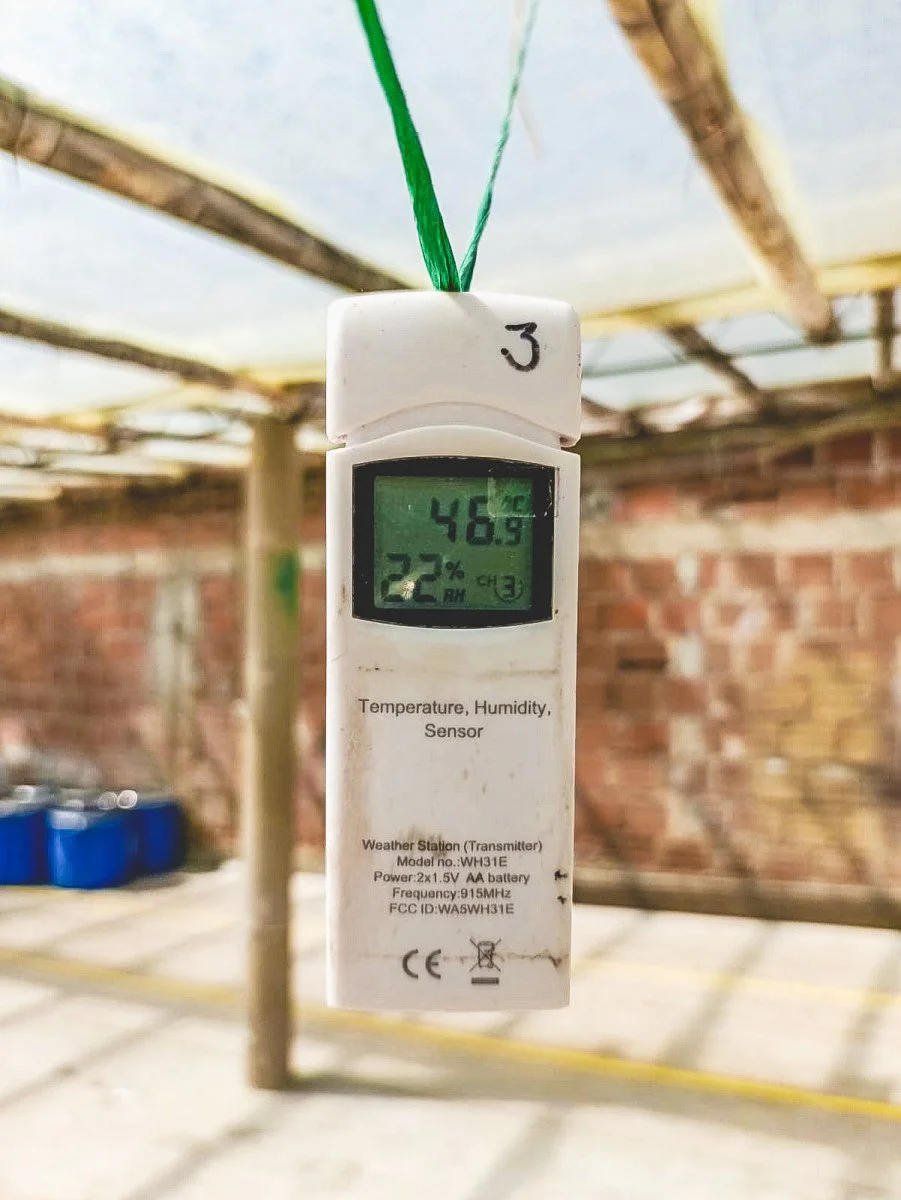
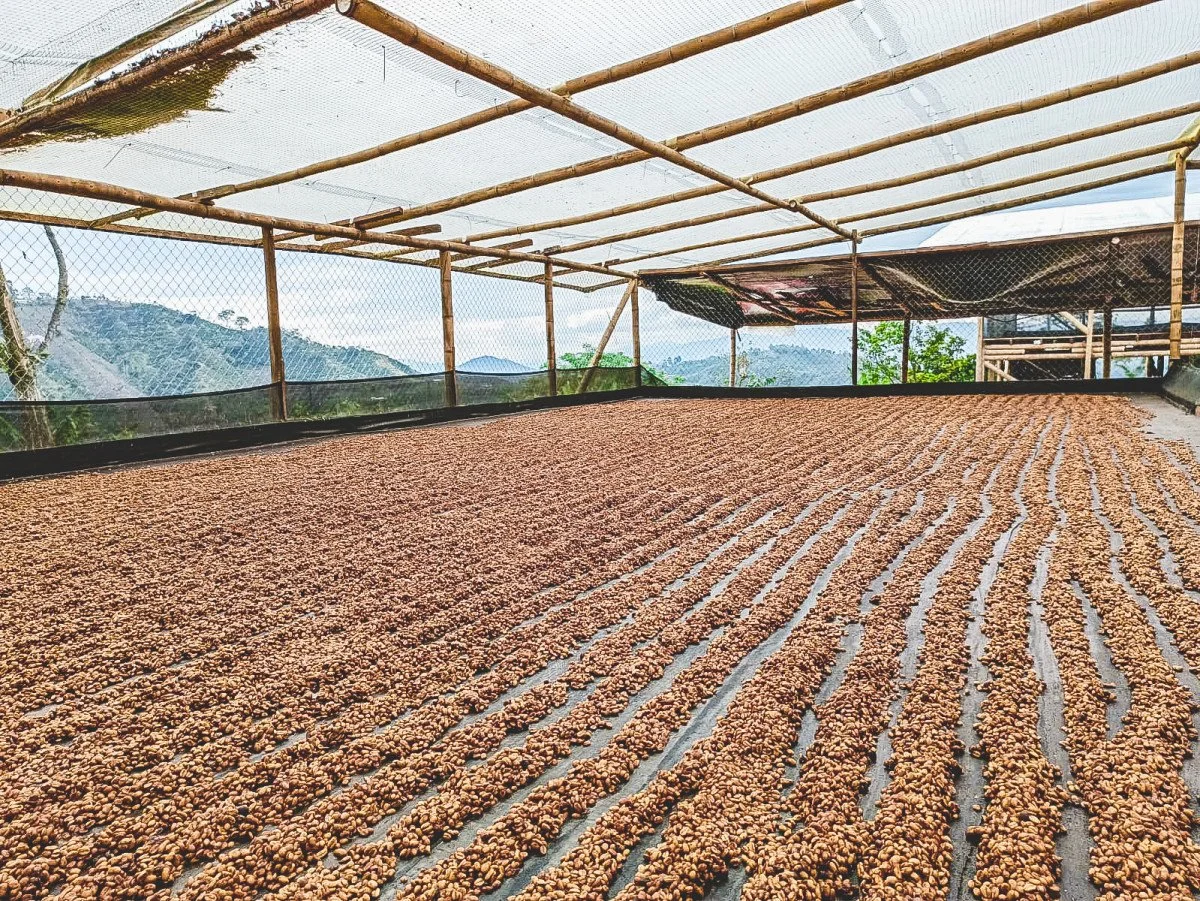
This particular lot was harvested when the cherries were between 18-22° Brix for optimal sweetness. The cherries were then hand-sorted and dried on raised beds for 18-30 days, with regular rotation and turning to ensure the drying happens evenly. On particularly hot and sunny days, the cherries were covered to protect them from the extreme heat, which also contributes to the even drying. Uneven drying can lead to defects due to the fermentation process getting out of control. The drying continues until 10-12% moisture is reached, after which the cherries are milled and prepared for export. The final preparations include triple-pass color sorting and another round of hand sorting.