Why We Love This Coffee
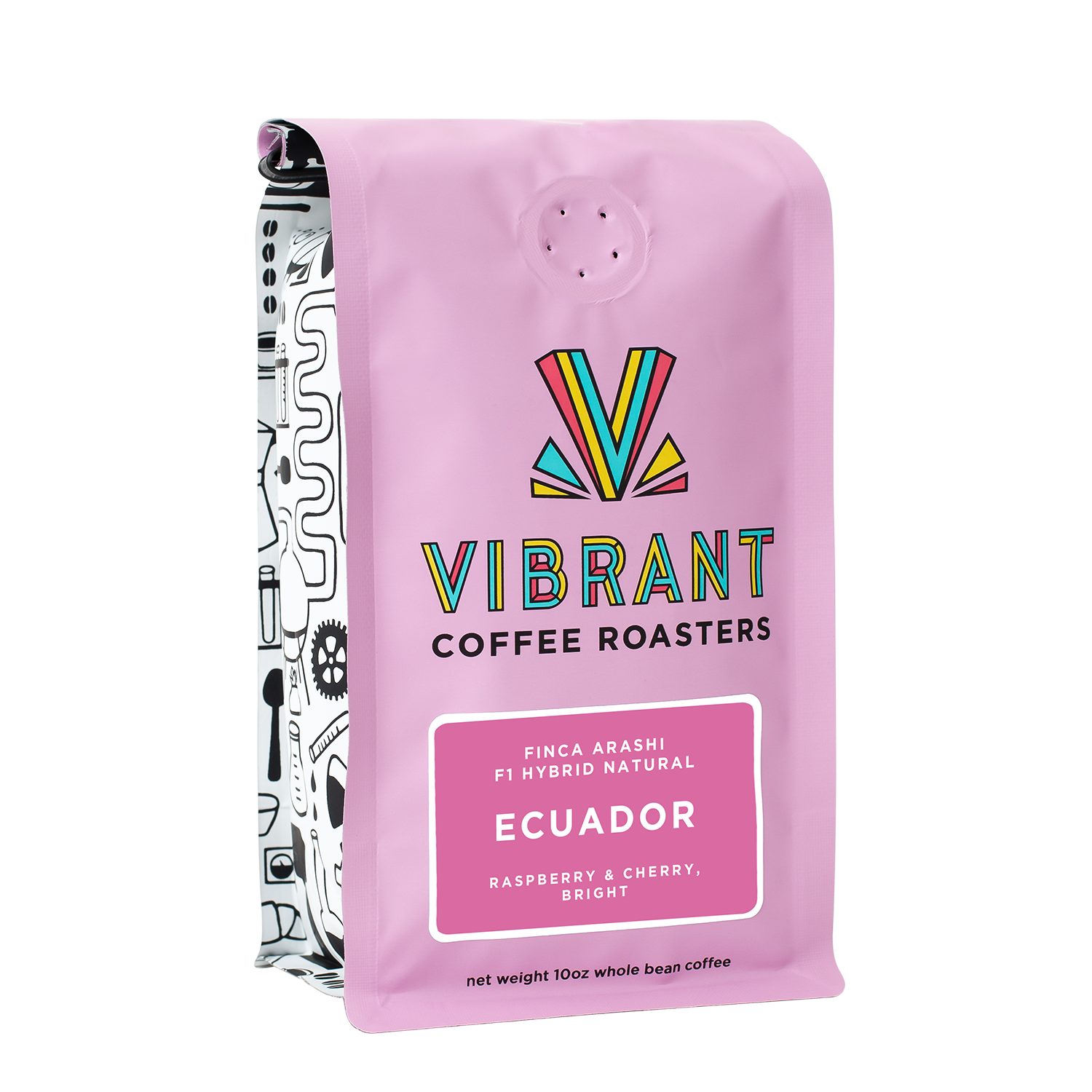
It’s an F1 Hybrid! From World Coffee Research: F1 Hybrid varieties are created by crossing genetically distinct parents (for example, a wild Ethiopian variety x Caturra). The offspring of the cross are first-generation (F1) Hybrids. Due to the blend of the genetics from the parents, they are more likely to be adaptable across a wide range of environments. They also have what’s called “hybrid vigor”—they produce more cherry than either of the parents would and are more tolerant of diseases and pests than each parent would be alone. F1s eliminate many of the tradeoffs of the past—for example, coffee leaf rust resistance versus quality. F1s can be immune to rust and still score over 90 points in cupping evaluations. F1 Hybrids are notable because they tend to have significantly higher production than non-hybrids, while maintaining high cup quality and disease resistance.”
What’s the downside? Well, they are more expensive and harder to mass produce—typically they need to be purchased from experienced nurseries via clonal propagation. The seeds from F1 Hybrids also can’t really be used for new trees as the seeds taken from F1 Hybrid plants will not have the same characteristics as the parent plants. The child plant will not look or behave the same as the high-performing F1 parent. When a farmer saves and uses the seed of a good F1 plant on her farm (= the F2, or second generation originating from the initial cross), all the various combinations of the dominant and recessive traits from the two parent plants will be expressed in the F2 generation. The resulting plants will be extremely diverse—some taller, some shorter, some strong, some weak (this is called "segregation"). But very few will look and behave like the really amazing F1 she selected the seed from. The variation in performance of F2 plants can be economically devastating for farmers. It is therefore important for farmers to know that F1 hybrids should only be clonally propagated and purchased from trusted nurseries.
From Our Importer
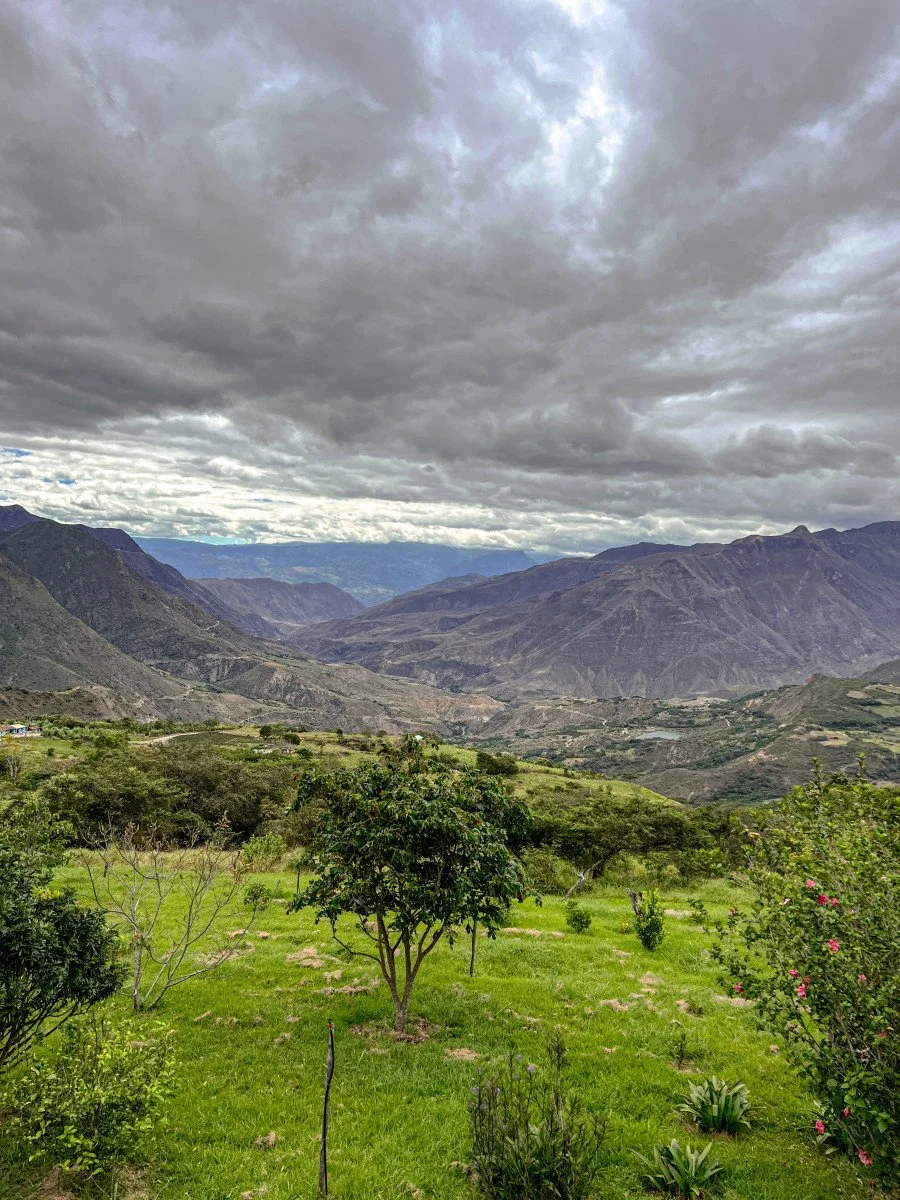
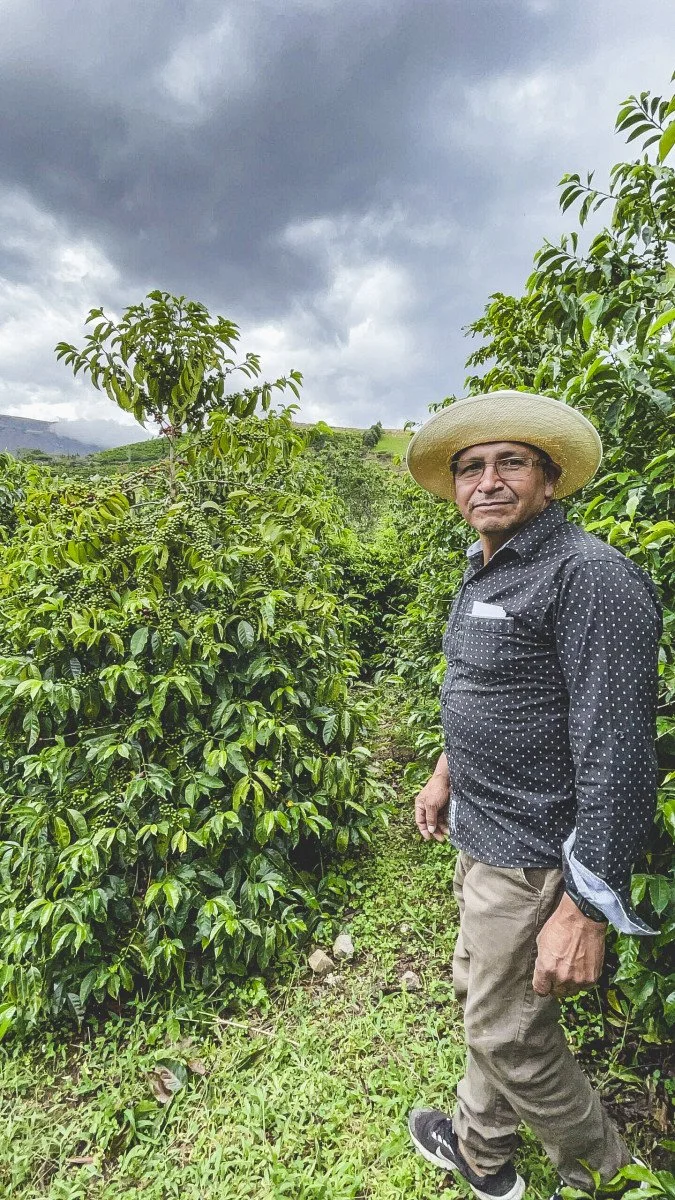
Finca Arashi is located in Saraguro, Loja, Ecuador, and is managed by Abel Salinas, a 58-year-old, first-generation coffee grower and fifth out of twelve siblings. The farm sits at an elevation of 1,890 m.a.s.l. and consists of 7 hectares of land, and around 22,000 coffee trees in production and the majority of the production being the exotic Typica Mejorado. However, Abel also grows some Sidra and F1 Hybrid.
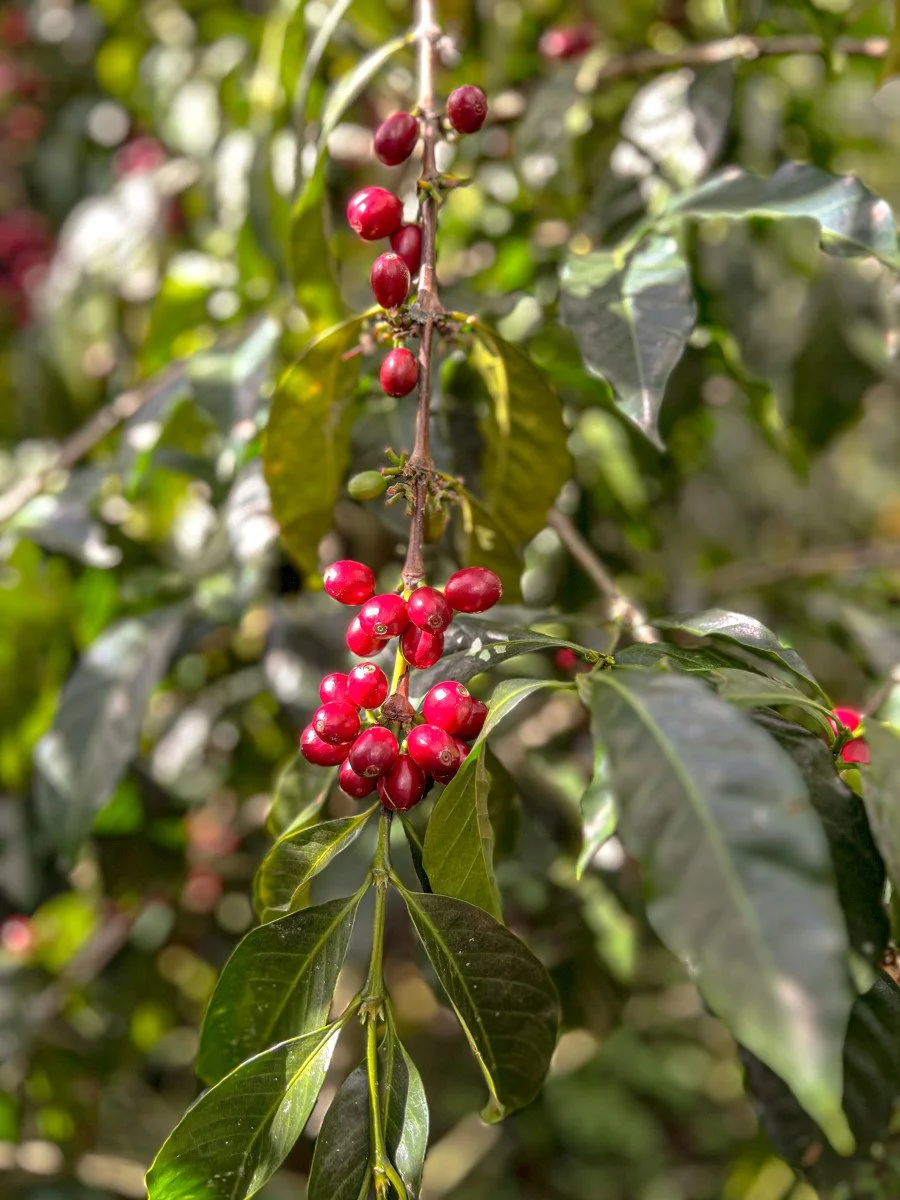
For the F1 Hybrid Natural lot, the coffee is hand-selected at its ripest, dry-fermented for 48 hours, and placed to dry for 20-25 days.
The lot is dried with constant movement to ensure an even drying process until it reaches around 10% moisture content.
Abel’s parents were farmers for as long as he can remember. He grew up surrounded by fertile lands, but also around adversities, which his family always overcame together (values that he carries with him nowadays).
Working as a miner in the Costa region around the year 2000, he had to return to his natal farm due to a surgical intervention, where he dabbled into cattle and fruit production. It wasn’t soon after, encouraged by the success of a local producer, that he planted his first coffee trees — February 2016 to be exact, he remembers — and from there, it became the canonic event into his Specialty Coffee Quest (pun intended).
The rest is history and nowadays Abel Salinas is renowned in the region of Loja, winning Ecuador’s 2021 Cup of Excellence! This will mark the first year of us working together, but with his dedication and cup quality, we know it won’t be the last!
Photos courtesy of The Coffee Quest