
New Burrs: When Do You Need Them?
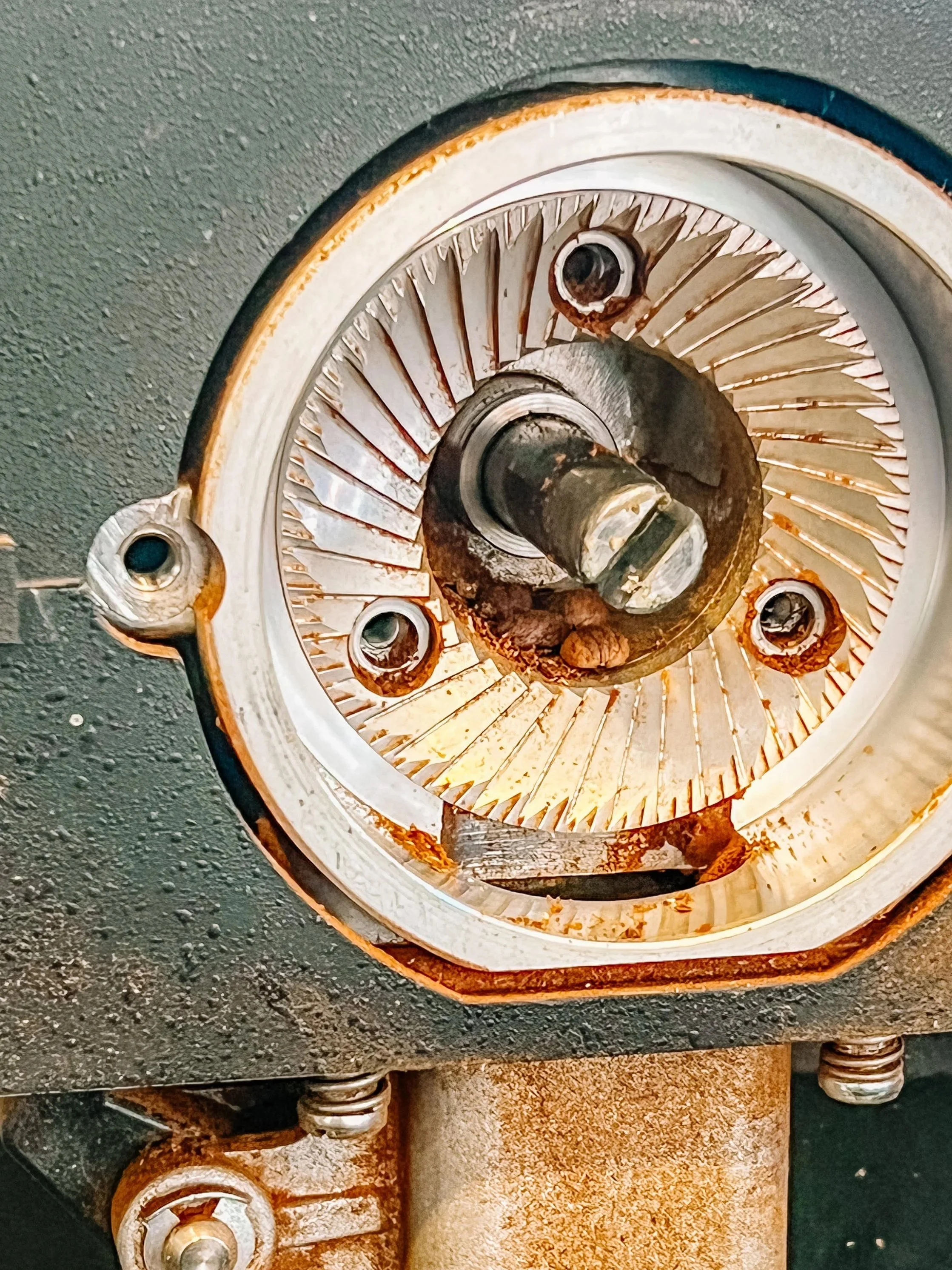
In our last blog post, we dove into a big issue that you might face when replacing your grinder burrs. Here, we’d like to talk about when you actually need to replace your burrs.
The easiest thing to do is just Google “when should I replace the burrs in my XYZ grinder” and see what it tells you. The problem with doing that is the problem with looking up anything online: you’re just as likely to find a completely incorrect answer as you are to find something actually helpful. This is even the case if you specifically check a grinder manufacturer’s own recommendations!
Baratza, unsurprisingly, is actually really good in this department. They say that most of their burrs are good for somewhere between 500 and 1,000 pounds of coffee. There will always be some variation in how long burrs last based on several factors, most notably roast level and grind size. Grinding lighter roast coffee is harder on burrs than grinding darker roast coffee because lighter roast coffee is literally harder than dark roast coffee. And grinding fine is much harder on burrs than grinding coarse is. So if you always grind light roast coffee pretty fine, your burrs will wear out much sooner than if you always grind dark roast coffee pretty coarse.
Personally, I brew at home with an older steel burr Baratza Vario (now called the Vario-W+). The grinder sees somewhere between 40 grams and 80 grams worth of light roast beans per day, so we’ll call it 60 grams on average per day. I replace the burrs about once every five years, which is after about 109 kg of coffee, or 241 pounds. This is on the low side of their estimate, but this is also essentially exclusively light roast coffee ground in the medium range.
How do I know when it is time to replace the burrs? Contrary to some advice you’ll see, I do NOT base it up on grinding speed. Slower grinding speed can be caused by several things including a worn out motor or a clogged exit path from the grinding chamber, as well as by worn burrs. The ONLY thing I base a burr replacement decision on is flavor.
Worn burrs produce more fines than new burrs, which increases astringency (that mouth-drying aftertaste) in the cup because the fines clog up the flow of water through the grounds, which increases the amount of channeling that happens. Water that passes quickly through channels rather than slowly through the whole bed of grounds does not have the astringent compounds filtered out, so they end up in the cup.
Regular readers of this blog will know that we’ve explored astringency in several of our past posts, and will know that you get astringency (even with brand new burrs) BOTH if your grind is too fine AND if your grind is too coarse. But, if you are dialed in with the correct grind size, there is a sweet spot in the middle where there is very little or no detectable astringency at all and the coffee tastes rich, full, sweet, and full of character. If you cannot find a sweet spot in between being obviously too coarse and obviously too fine, then you may need new grinder burrs. It’s not a 100% guarantee, because you might have a problem with your water chemistry, or are pouring your water way too fast or too slow, or are using an inappropriate dose for your brewer, or potentially something else. But, if your coffee used to always taste good, and you slowly notice that you just can’t quite find that sweet spot, it’s pretty likely that you need new burrs if they are a few years old.
You can get by for a little while with worn burrs by simply grinding a little coarser than normal and accepting less richness, fullness, sweetness, and character from your coffee.
Mahlkonig isn’t too bad with their burr life recommendations but we find that we get 800-900 pounds worth of espresso from our E65S GbWs rather than the quoted 1,500-1,600 pounds. This is with a medium roast espresso blend.
Bunn is a complete comedy show - the official burr life for their G series grinders is 40,000 pounds! We don’t have a specific recommendation for those but we’d be shocked if they produced coffee that tasted good beyond a few thousand pounds.
